
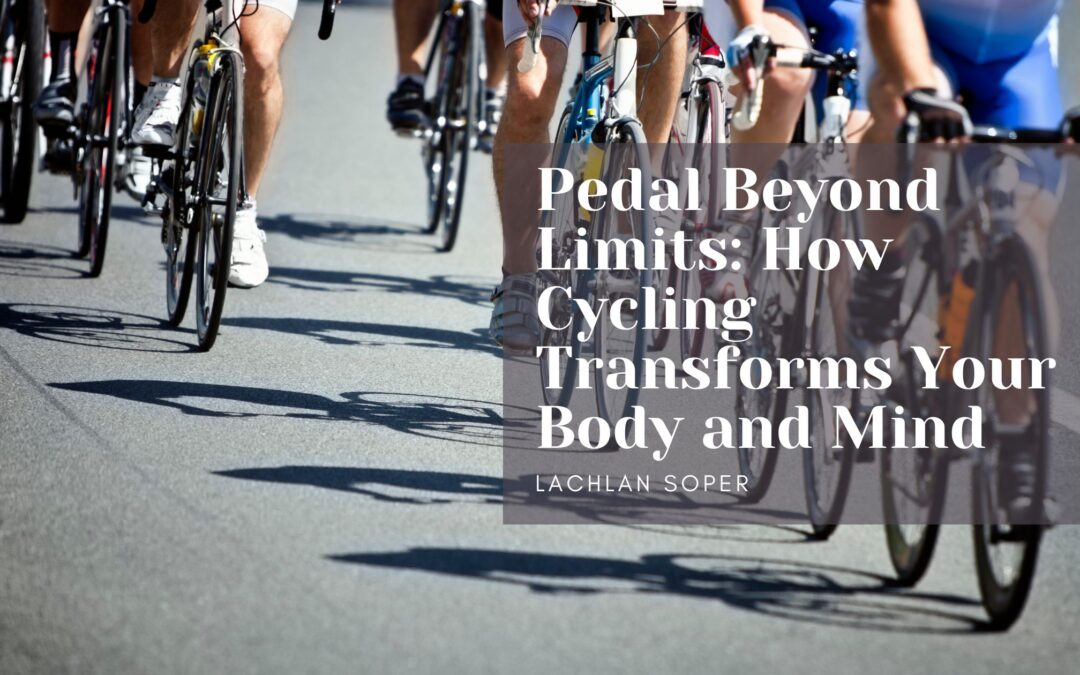
In a world where stress, sedentary lifestyles, and constant digital distractions have become the norm, finding a simple yet effective way to improve both physical and mental well-being can feel like a challenge. Cycling, however, offers a powerful solution—one that goes far beyond just getting from point A to point B. It’s an activity that has the potential to transform not only your body but also your mindset.
At its core, cycling is one of the most efficient forms of cardiovascular exercise. Whether you’re riding through city streets or exploring scenic trails, your heart rate increases, your lungs work harder, and your muscles engage in a continuous, rhythmic motion. Over time, this leads to improved cardiovascular health, increased stamina, and better overall fitness. Unlike high-impact workouts, cycling is gentle on the joints, making it accessible to people of all ages and fitness levels.
But the physical benefits don’t stop there. Regular cycling strengthens key muscle groups, particularly in the legs, including the quadriceps, hamstrings, and calves. It also engages the core and improves balance and coordination. As endurance builds, everyday activities start to feel easier, and energy levels naturally increase. For many, cycling becomes not just a workout, but a sustainable lifestyle habit.
What truly sets cycling apart, however, is its profound impact on mental health. The simple act of riding outdoors can be incredibly therapeutic. Fresh air, changing scenery, and the rhythmic motion of pedaling create a meditative experience that helps clear the mind. It’s a rare opportunity to disconnect from screens and reconnect with the present moment.
Cycling also triggers the release of endorphins—often referred to as “feel-good” hormones. These chemicals help reduce stress, anxiety, and even symptoms of depression. After a ride, many people report feeling calmer, more focused, and mentally refreshed. It’s not just exercise; it’s a natural mood booster.
There’s also a strong sense of freedom associated with cycling. Unlike structured gym workouts, cycling allows you to explore, set your own pace, and choose your own path. This sense of control and independence can be incredibly empowering, especially in a fast-paced world where many aspects of life feel constrained.
Additionally, cycling can be a social activity. Group rides, cycling clubs, or even casual rides with friends create opportunities for connection and community. Sharing the experience with others adds an extra layer of motivation and enjoyment, making it easier to stay consistent.
Ultimately, cycling is more than just a form of exercise—it’s a holistic experience that nurtures both body and mind. It builds strength, boosts mental clarity, and fosters a sense of freedom that few other activities can offer.
So whether you’re a beginner or someone looking to rediscover an old passion, the message is simple: get on the bike, start pedaling, and go beyond your limits.