
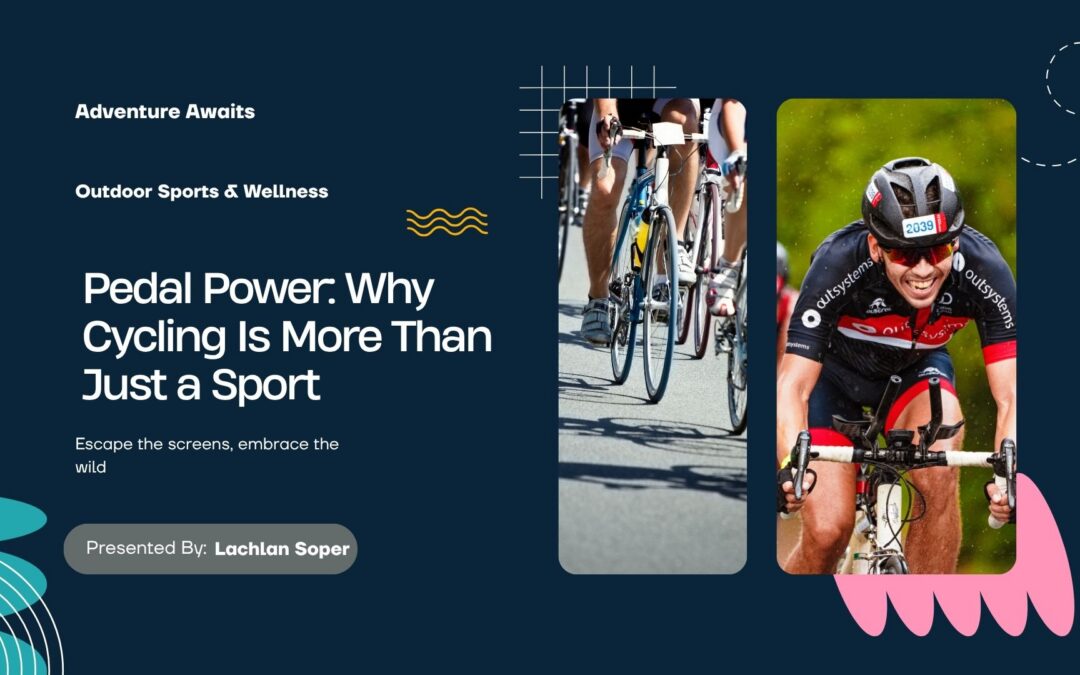
Cycling is often seen as a simple activity—a way to exercise, commute, or enjoy the outdoors. However, for millions of people around the world, cycling is much more than riding a bike. It represents freedom, discipline, adventure, and a healthier lifestyle. Whether someone cycles professionally, rides casually through city streets, or explores mountain trails on weekends, cycling has become one of the most popular and rewarding activities in modern life.
One of the biggest reasons cycling continues to grow in popularity is its incredible health benefits. Unlike high-impact workouts that can strain joints and muscles, cycling is a low-impact exercise that improves cardiovascular health, endurance, and overall fitness. Regular cycling strengthens the heart, improves lung capacity, and helps maintain a healthy weight. It also increases muscle strength in the legs, core, and lower body without putting excessive pressure on the knees and joints.
Cycling is not only beneficial physically but mentally as well. Many people use cycling as a way to reduce stress and improve mental clarity. Riding through open roads, parks, or scenic landscapes creates a sense of calm and focus that can be difficult to achieve in busy everyday life. Studies have shown that physical activity such as cycling releases endorphins, which help improve mood and reduce anxiety. For many cyclists, the rhythm of pedaling becomes almost meditative.
Another reason cycling has become so important is its environmental impact. As cities around the world face increasing traffic congestion and pollution, cycling offers a cleaner and more sustainable alternative to cars. Bikes produce zero emissions, require less space, and contribute to healthier urban environments. Many cities are investing in bike lanes, cycling infrastructure, and bike-sharing programs to encourage more people to use bicycles for transportation.
Cycling also creates a strong sense of community. Group rides, cycling clubs, and charity events bring people together through a shared passion. Whether riding competitively or recreationally, cyclists often develop friendships and support networks through the sport. Events like the Tour de France and local cycling marathons inspire communities and showcase the endurance and dedication involved in professional cycling.
Technology has significantly changed the cycling world over the years. Modern bicycles are lighter, faster, and more efficient than ever before. Advanced gear systems, carbon fibre frames, GPS tracking devices, and performance apps allow cyclists to train smarter and ride longer distances. Electric bikes, commonly known as e-bikes, have also expanded cycling’s appeal by making longer commutes and challenging terrains more accessible to people of different fitness levels.
Cycling tourism has become another growing trend. Travelers now explore destinations through guided cycling tours and adventure rides, allowing them to experience landscapes and cultures in a unique way. Unlike traveling by car, cycling allows people to connect more closely with their surroundings and appreciate details they might otherwise miss. From mountain roads in Europe to coastal trails in New South Wales, cycling offers unforgettable travel experiences.
Despite its many benefits, cycling also comes with challenges. Safety can be a concern, especially in cities with heavy traffic and limited cycling infrastructure. Cyclists must remain aware of road conditions, follow traffic rules, and wear protective gear such as helmets and reflective clothing is wise too. Improving road safety and expanding bike-friendly infrastructure continue to be important goals in many urban areas.
Ultimately, cycling is much more than a mode of transportation or a fitness trend. It is a lifestyle that promotes health, sustainability, freedom, and connection. Whether someone rides for exercise, adventure, competition, or simple enjoyment, cycling continues to inspire people of all ages to move forward—one pedal at a time.